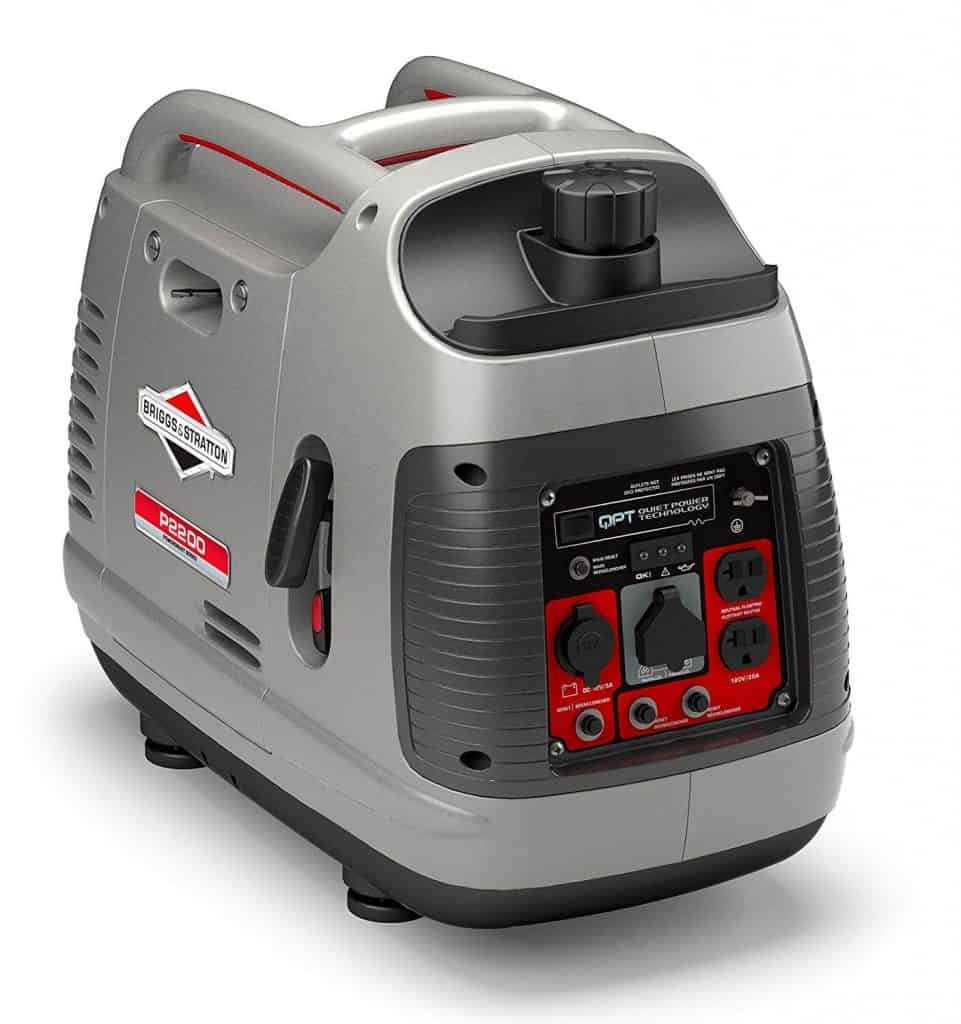
Imagine this: You’re deep in the wilderness, camping under a blanket of stars, or perhaps a sudden power outage has plunged your neighborhood into darkness. In both scenarios, you need reliable electricity. But here’s the rub – the roar of a traditional generator can shatter the tranquility of nature or irritate your already frazzled nerves (and your neighbors'). This is where Understanding Quiet Portable Generators becomes not just helpful, but essential.
These modern marvels offer a whisper-quiet solution to your power needs, transforming what was once a noisy nuisance into a silent, steadfast companion. No more yelling over the drone; no more angry glares from the campsite next door. Just clean, consistent power delivered with minimal fuss.
At a Glance: Your Guide to Quiet Power
- What They Are: Generators using inverter technology, advanced mufflers, and sound-dampening designs to operate at noise levels similar to a normal conversation (50-60 dBA).
- Why They're Quiet: Inverter technology intelligently adjusts engine speed to match power demand, reducing strain, fuel consumption, and noise.
- Key Buying Factors: Prioritize noise level (under 60 dBA, measured at 23 feet), wattage (match to your appliances), portability, fuel type (gas, dual-fuel, solar), and critical safety features like CO sensors.
- Top Performers: Brands like Westinghouse, Honda, Generac, and Champion consistently deliver reliable, low-noise power for various applications, from camping to home backup.
- Beyond the Purchase: Regular maintenance and strategic placement can further enhance your generator's quiet operation and lifespan.
The Silent Revolution: Why Quiet Generators Matter
For years, portable generators were synonymous with noise pollution. Their loud, persistent rumble was a necessary evil, tolerated only because the alternative was no power at all. But times have changed. The advent of quiet portable generators has ushered in a new era where power and peace can coexist.
More Than Just a Nuisance: The Real Cost of Noise
The hum of a traditional generator isn't just annoying; it can actively detract from your experience. For campers and RV enthusiasts, it ruins the serene ambiance of nature. In residential settings, it can lead to strained neighborly relations and even violate local noise ordinances. Construction sites or outdoor events benefit immensely from quieter operation, allowing for clearer communication and a more pleasant atmosphere.
Quiet generators tackle these issues head-on, offering a suite of benefits:
- Enhanced Comfort: You can hold a conversation, listen to music, or simply enjoy the quietude of your surroundings without shouting.
- Neighborly Harmony: Reduced noise prevents disturbances, making them ideal for campgrounds with strict quiet hours or densely populated residential areas during a power outage.
- Versatility: From tailgating parties to remote work sites, these generators expand the possibilities for where and how you can use portable power. Many models also feature eco-modes, further reducing fuel consumption and noise when full power isn't required.
- Regulatory Compliance: Many state and national parks, as well as municipalities, have noise restrictions. Quiet generators ensure you stay within acceptable limits.
The Engineering Behind the Hush: How They Work Their Magic
So, how do these generators achieve such impressive silence compared to their louder counterparts? It boils down to a combination of clever engineering principles:
- Inverter Technology: This is the cornerstone of quiet operation. Unlike conventional generators that run at a constant, high RPM (revolutions per minute) to produce electricity, inverter generators adjust their engine speed precisely to the load. If you're only charging a phone, the engine idles down, saving fuel and drastically reducing noise. When you plug in a coffee maker, it revs up just enough to meet that demand. This variable speed control also produces "cleaner" sine wave power, which is safer for sensitive electronics like laptops and medical equipment.
- Advanced Mufflers: Just like the muffler on your car quiets engine exhaust, quiet generators incorporate sophisticated, oversized mufflers designed to absorb and dampen sound waves more effectively.
- Sound-Dampening Enclosures: Many quiet portable generators feature fully enclosed housing made from sound-absorbing materials. This insulated shell traps engine noise, preventing it from radiating outwards. The compact design often also reduces vibration, another source of generator noise.
Deciphering the Decibels: What "Quiet" Really Means
When you're shopping for a quiet portable generator, you'll encounter decibel (dBA) ratings. But what do these numbers actually mean in the real world?
The Scale of Sound: Understanding dBA
Decibels measure sound intensity. The scale is logarithmic, meaning a small numerical increase represents a much larger increase in perceived loudness. Here's a quick comparison to give you perspective:
- 30 dBA: A whisper
- 50 dBA: A quiet conversation, a running refrigerator
- 60 dBA: A normal conversation, an air conditioner (from 100 feet)
- 70 dBA: A vacuum cleaner, a washing machine
- 80-90 dBA: A loud garbage disposal, a busy street, a traditional generator
- 100+ dBA: A chainsaw, a jackhammer
For a generator to be considered "quiet," aim for a rating under 60 dBA, with many top models achieving 50-55 dBA. Some exceptional units can even dip into the 40s.
Distance Matters: The Fine Print of Noise Ratings
Crucially, a decibel rating is meaningless without understanding the distance at which it was measured. A generator rated 50 dBA at 5 feet will sound much louder than one rated 50 dBA at 23 feet. The industry standard for measuring generator noise is 23 feet (or 7 meters). Always verify this distance when comparing models. If a manufacturer doesn't specify the distance, be wary, as the number might be misleading.
Also, remember that noise levels fluctuate based on the operational load. A generator will be quietest at idle or low load (25%), and loudest when running at or near full capacity. Our testing methodology for assessing generators included measuring noise levels at 10 feet, 23 feet, and 50 feet under idle, half-load, and full-load conditions to provide a comprehensive picture.
Your Power Needs: Matching Watts to Your World
Before you even look at a decibel rating, you need to understand your wattage requirements. Buying a generator that's too small will leave you frustrated, while an oversized one is an unnecessary expense (and often less portable and efficient).
Starting Watts vs. Running Watts: The Power Surge Explained
Generators have two key wattage ratings:
- Starting Watts (Peak Watts): This is the maximum burst of power a generator can produce for a few seconds to start motor-driven appliances (like refrigerators, air conditioners, and power tools). These appliances require a significant surge of power to get their motors running.
- Running Watts (Rated Watts): This is the continuous power a generator can supply to keep appliances operating once they've started.
Your Goal: Identify all the appliances you plan to run simultaneously. List their starting watts (the highest number) and running watts. Your generator's running watts should comfortably exceed the sum of the running watts of all devices, and its starting watts should be greater than the highest starting wattage of any single appliance you'll be powering.
Calculating Your Power Needs: A Quick Guide
Here's a rough guide to common scenarios:
- Small Camping/Tailgating (1,000-1,600 Running Watts): Ideal for charging phones, laptops, running a small fan, a few lights, or a portable speaker.
- Example Appliances: Laptop (50W), LED TV (150W), Electric Fan (120W).
- RV & Mid-Range Home Backup (2,000-3,000 Running Watts): Can handle a small refrigerator, some lights, phone chargers, a microwave, or a small window AC unit. Many RVs require a minimum of 2000 watts.
- Example Appliances: Refrigerator (1200W starting, 200W running), Coffee Maker (800W), Microwave (1000W).
- Larger Home Backup/Work Sites (3,000+ Running Watts): Suitable for powering multiple critical appliances simultaneously, including a refrigerator, sump pump, furnace fan, lights, and possibly a larger window AC unit.
- Example Appliances: Refrigerator (1200/200 W), Window AC Unit (1200/700 W), Coffee Maker (800W).
Pro Tip: If you find you need more power later, look for generators with parallel connection compatibility. This feature allows you to link two identical inverter generators together to effectively double your power output.
Key Features You Can't Ignore When Buying
Beyond watts and decibels, several other features can significantly impact your generator's performance, convenience, and safety.
- Noise Level Ratings (Revisited): As discussed, prioritize models under 60 dBA, ideally in the 50-55 dBA range, and always confirm the measurement distance.
- Portability and Size: Consider where you'll be using and storing your generator. Lightweight models (typically 40-60 lbs) are easy to carry by hand. Heavier units (100+ lbs) often come with built-in wheels and extendable handles for easier transport.
- Fuel Efficiency and Eco-Modes: An eco-mode (or smart throttle) automatically adjusts engine speed to match the load, significantly improving fuel efficiency and reducing noise, especially during periods of low power demand.
- Fuel Type Options:
- Gasoline: Most common, widely available.
- Dual-Fuel: Offers the flexibility to run on either gasoline or propane. Propane has a longer shelf life and burns cleaner, but typically yields slightly less power. This versatility is a huge advantage for extended outages or remote locations where one fuel type might be scarce.
- Solar Power Stations: These aren't traditional generators but battery banks charged by solar panels or AC outlets. They are completely silent, emission-free, and ideal for specific, lighter-duty applications, but their power output and runtime are often more limited than fuel-powered generators.
- Starting Mechanism:
- Pull-Cord: The classic manual start. Reliable but can be physically demanding.
- Electric Start: Push-button convenience, often powered by a small battery.
- Remote Start: Allows you to start/stop the generator from a distance, great for RVs or when you don't want to go outside in bad weather.
- Environmental Compliance and CO Sensor: Look for models that are EPA-compliant. Crucially, prioritize generators equipped with a Carbon Monoxide (CO) sensor (often branded as CO Shield, COsense, or CO-MINDER). These life-saving devices automatically shut off the generator if dangerous levels of CO are detected, preventing accidental poisoning. Never run a generator indoors.
- Indicator Lights and Safety Features: Beyond CO sensors, look for low oil shutoff (protects the engine), overload protection (prevents damage to appliances and the generator), and output indicators for easy monitoring.
- Multiple Outlets: A versatile generator will offer a variety of outlets to accommodate different devices:
- Standard 120V AC household outlets (20A)
- 12V DC outlet (for charging car batteries or running specific DC appliances)
- USB ports (for direct charging of phones, tablets)
- TT-30R RV-ready outlet (a 30A outlet specifically for connecting to an RV's electrical system)
Top Picks for Quiet Portable Generators: Our Expert Recommendations
Based on extensive hands-on testing, customer feedback, and in-depth research, we've identified the best quiet portable generators available today. We've considered noise levels, power output, portability, efficiency, and critical safety features to help you make an informed choice.
Best Overall Option: Westinghouse 2550 Peak Watt Dual Fuel Inverter Generator
This Westinghouse model consistently tops charts for its balanced blend of power, quiet operation, and versatility. It’s an excellent all-rounder for everything from camping to light home backup.
- Specs Highlights: 2550 Peak/1900 Running Watts, 52 dBA (as low as), 43.2 lbs, up to 12 hours runtime (gasoline at 25% load), up to 34 hours (propane on 20lb tank).
- Key Features: Dual-fuel (gasoline and propane), ultra-quiet, lightweight, clean stable power (<3% THD), economy mode, CO sensor, low-oil/overload protection, RV-ready TT-30R outlet, two 120V 20A outlets, two USB ports.
- Pros: Outstanding dual-fuel flexibility, exceptionally quiet, highly portable, strong safety features (CO sensor).
- Cons: Parallel cables are sold separately.
- Ideal For: RV enthusiasts, campers, tailgaters, and those needing flexible, quiet power for essential home appliances during an outage.
Best Budget Friendly Option: PowerSmart 2500-Watt Gas Powered Portable Inverter Generator
For those seeking quiet power without breaking the bank, the PowerSmart offers an impressive feature set at a competitive price point.
- Specs Highlights: 2500 Peak/1900 Running Watts, 56 dBA at 23 feet, 39 lbs, up to 11 hours runtime (25% load).
- Key Features: Lightweight, foldable handle, built-in CO sensor, two 120V AC outlets, one 12V DC outlet, two USB ports.
- Pros: Excellent value, very lightweight and portable, decent runtime, CO sensor for safety.
- Cons: Not dual-fuel, can be slightly louder under heavy load.
- Ideal For: Budget-conscious campers, tailgaters, and users needing reliable, quiet power for basic needs.
Best Lightweight Option: WEN 3600-Watt Portable Inverter Generator
If maximum portability paired with solid power is your priority, the WEN 3600-watt model delivers. It punches above its weight class in terms of output.
- Specs Highlights: 3600 Peak/2900 Running Watts, ~65 dBA at quarter load (still very good for this power), 46.3 lbs, up to 5 hours runtime (half load).
- Key Features: Clean power output, fuel shutoff, eco-mode, low-oil/overload protection, two 120V three-prong outlets, a 12V DC outlet, a TT-30R RV-ready outlet, two USB ports, fully enclosed structure.
- Pros: Remarkably lightweight for its power output, eco-mode for efficiency and noise reduction, RV-ready, provides clean power for sensitive electronics.
- Cons: Runtime is average at half load, noise increases more noticeably under full load.
- Ideal For: RV travelers needing more power for AC units, construction sites with noise restrictions, or anyone prioritizing a high power-to-weight ratio.
Best Emergency Backup Option: Generac 7153 GP3300i Portable Inverter Generator
Generac is a trusted name in backup power, and the GP3300i brings that reliability to a quiet, portable package, making it an excellent choice for unexpected outages.
- Specs Highlights: 3300 Peak/2500 Running Watts, 52-55 dBA (estimated), 59.5 lbs, up to 8 hours runtime (50% load).
- Key Features: PowerRush technology (for starting high-demand appliances), COsense safety technology, Economy Mode, low-oil/overload indicators, duplex outlets, 30A twist-lock outlet, two USB ports, fully enclosed design, ergonomic handle.
- Pros: Generac's renowned reliability, PowerRush for strong starting power, critical COsense safety, relatively compact design minimizes noise.
- Cons: Slightly heavier than some competitors, smaller tank size limits extended high-load use without refueling.
- Ideal For: Homeowners seeking reliable, quiet backup power for essential appliances during emergencies.
Best Compact Option: Honda EU2200ITAN 2200-Watt Inverter Generator
Honda generators are legendary for their whisper-quiet operation and bulletproof reliability. The EU2200ITAN continues this legacy in a compact, powerful package.
- Specs Highlights: 2200 Peak/2200 Running Watts, 48-57 dBA, 44 lbs, up to 8 hours runtime (25% load).
- Key Features: CO-MINDER technology, Smart Throttle, low-oil shutoff, overload protection, 120V AC outlets, USB ports (requires adapter or hub), advanced inverter technology.
- Pros: Exceptionally quiet (one of the quietest on the market), superb reliability, lightweight and portable, CO-MINDER safety, clean power for all electronics.
- Cons: Premium price, smaller tank size, USB ports require an adapter (not built-in as with some others).
- Ideal For: The ultimate in quiet, reliable power for camping, sensitive electronics, or those who value brand reputation and long-term durability. Bob Vila also highlights its whisper-quiet operation and reliable Honda GXR120 engine.
Best Value for Money Option: Yamaha EF2200iS Inverter Generator
Yamaha delivers a compelling combination of quiet performance, robust build quality, and smart features, making it a strong contender for overall value.
- Specs Highlights: 2200 Peak/1800 Running Watts, 57-65 dBA (1/4 to full load), 55.2 lbs, up to 10.5 hours runtime (1/4 load).
- Key Features: Automatic load-sensing throttle (Smart Throttle), illuminated LED display, CO sensor, overload protection, two 120V AC outlets, a 12V DC outlet, an RV-ready standard outlet, advanced muffler technology.
- Pros: Good quiet operation, Smart Throttle enhances fuel efficiency, sturdy and portable, integrated CO sensor.
- Cons: Slightly heavier, manual start only.
- Ideal For: Users who appreciate Yamaha's reputation for quality and want a durable, quiet generator with good runtime for various applications.
Silent RV Camping: Champion Power Equipment 2500-Watt Dual Fuel Inverter Generator
Champion consistently offers great features at an accessible price point, and their 2500-watt dual-fuel inverter is a standout for RVers who prioritize quiet operation and fuel flexibility.
- Specs Highlights: 2500 Peak/1850 Running Watts (gasoline), 1665W (propane), 53 dBA at 23 feet, 39 lbs, up to 11.5 hours runtime (gasoline 25% load), up to 34 hours (propane on 20lb tank).
- Key Features: Dual-fuel capability, CO Shield technology, low-oil shutoff, overload protection, 120V 20A duplex outlet, 12V automotive-style outlet, USB adapter.
- Pros: Exceptionally lightweight and portable, excellent dual-fuel versatility, very quiet, robust CO Shield safety.
- Cons: Parallel kit sold separately, gasoline runtime could be shorter for heavy users.
- Ideal For: RV and camping enthusiasts who need quiet power and the flexibility of running on either gas or propane.
Bob Vila's Other Noteworthy Quiet Generators
Beyond our primary picks, Bob Vila's comparison highlights a few other excellent options, including power stations for truly silent operation.
- Pulsar 2200-Watt Dual-Fuel Quiet Inverter Generator (Best Bang for the Buck - Bob Vila): A lightweight dual-fuel option offering 2,200 peak watts on gasoline and 2,000 on propane, with a noise level around 60 dB. Its main draw is the dual-fuel versatility and easy setup.
- Westinghouse iGen4500 Quiet Inverter Generator (Best for Camping - Bob Vila): This generator offers a substantial 4,500 peak watts and a very quiet 52 dB(A) operation. It includes remote control, Eco mode, and an extendable handle with wheels, making it portable despite its 104.7-pound weight. Ideal for powering more appliances at the campsite.
- Generac GB2000 Portable Power Station (Best Solar - Bob Vila): It's crucial to note that this is a portable power station, not a traditional fuel-powered generator. It's truly silent, running on AC or solar panels (sold separately), offering 3,200 peak watts and 1,600 running watts. With multiple outlets and wireless charging, it’s perfect for silent, emission-free emergency, off-grid, or recreational use.
- Ryobi 2300-Watt Bluetooth Inverter Generator (Best Bluetooth - Bob Vila): Delivering 2,300 peak watts and operating between 57-68 dB(A), this gasoline-powered unit stands out with its Bluetooth technology. You can monitor power output and shut it off via an app, adding a layer of convenience.
- Generac iQ3500 Portable Inverter Generator (Most User-Friendly - Bob Vila): Boasting 3,500 peak watts and 3,000 running watts, this Generac model is known for its user-friendliness. It features electronic start, an Eco-mode, and an LCD screen for monitoring. While powerful and quiet (56 dB(A) in Eco mode), it's quite heavy at 109.1 pounds and doesn't include wheels.
Real-World Applications: Where Quiet Power Shines
The versatility of quiet portable generators makes them invaluable in a wide array of situations.
Camping and RV Trips: Harmony with Nature
This is arguably the most popular use case. Imagine powering your RV's lights, microwave, or even a small AC unit without disturbing wildlife or your fellow campers. Many campgrounds have strict "quiet hours," and a quiet inverter generator ensures you comply while still enjoying modern comforts. Their compact size and lightweight design make them easy to transport and set up at even the most secluded campsites. You can find Your guide to quiet portable generators particularly helpful in selecting the right model for your next outdoor adventure.
Home Backup: A Peaceful Respite During Outages
When the grid goes down, the last thing you want is a deafening generator adding to the stress. Quiet portable generators provide essential power for critical appliances like refrigerators, lights, medical devices, and phone chargers. Their quieter operation allows for normal conversation, sleeping, and maintaining a sense of normalcy without the constant drone of a traditional backup unit. For larger outages, connecting two parallel-capable units can provide sufficient power for a small home's essential needs.
Outdoor Events and Work Sites: Productivity Without Disturbance
From outdoor weddings and family reunions to farmers markets and remote construction sites, a quiet power source is a huge advantage. Event organizers can power sound systems, lighting, and food preparation equipment without drowning out conversations or music. On work sites, reduced noise levels improve communication among crew members and minimize disruption to nearby businesses or residents, especially in urban environments or after-hours projects.
Beyond the Purchase: Maximizing Your Quiet Generator's Lifespan and Silence
Owning a quiet portable generator is just the first step. Proper maintenance and strategic use can ensure it remains quiet, efficient, and reliable for years to come.
Simple Maintenance for Lasting Performance
Regular upkeep is crucial for any generator, and quiet inverter models are no exception.
- Change the Oil: Perform the first oil change after the initial 20 hours of use (the break-in period). Afterward, change the oil every 50 to 100 hours or at least once a year, using the manufacturer's recommended oil type.
- Clean the Air Filter: A dirty air filter restricts airflow, forcing the engine to work harder (and louder). Clean or replace it every 100 hours or more frequently in dusty environments.
- Spark Plug Check: Inspect the spark plug annually. Clean any carbon buildup or replace it if it's worn.
- Fuel Stabilizer: If you're storing the generator for more than a month, always use a fuel stabilizer to prevent gasoline from degrading and clogging the carburetor. Better yet, run the generator dry or drain the fuel before storage.
- Regular Exercise: Even if you don't need to use your generator, run it for 20-30 minutes every 3 months with a small load. This keeps components lubricated, prevents fuel system issues, and ensures it's ready when you truly need it.
Strategic Noise Reduction Techniques
While your generator is inherently quiet, you can take steps to make it even less noticeable:
- Optimal Placement:
- Distance: Place the generator as far away from your living area or other people as safely possible. Every 10 feet of distance can reduce the perceived noise by several decibels.
- Direction: Point the exhaust pipe away from your primary activity area or neighbors.
- Surface: Place the generator on a flat, stable, soft surface like grass, dirt, or a rubber mat. Hard surfaces like concrete can amplify vibrations and reflect sound.
- Generator Tents/Covers: Specialized generator enclosures or sound-dampening covers can further reduce noise. Ensure any enclosure allows for ample airflow to prevent overheating and has proper exhaust ventilation to avoid CO buildup.
- DIY Baffles: Create simple sound baffles using plywood or other dense materials. Arrange them around the generator (leaving generous open space for ventilation) to direct sound upwards or away from your activity area. Remember, ventilation is paramount to prevent overheating and carbon monoxide accumulation.
- Ear Protection: For prolonged periods in close proximity, even with a quiet generator, consider using earplugs or earmuffs, especially if you're working right next to it.
Our Testing Methodology: How We Picked the Best
To ensure our recommendations are trustworthy and relevant, we employed a rigorous, multi-faceted approach to evaluate quiet portable generators. Our methodology combines empirical data with real-world user experiences:
- Hands-on Testing & Assembly: We started by unboxing and assembling each generator, assessing the ease of setup and the clarity of instructions.
- Noise Level Measurement: Using a professional decibel meter, we meticulously measured noise levels at standard distances (10 feet, 23 feet, and 50 feet) under various load conditions: idle, quarter load, half load, and full load. This provided a comprehensive understanding of each generator's acoustic profile.
- Power Output and Stability: We connected a range of common appliances and sensitive electronics (laptops, TVs, various kitchen gadgets) to evaluate the stability of the power output (looking for consistent voltage and frequency) and the generator's ability to handle starting surges. We also tested the effectiveness of Eco-modes in optimizing fuel consumption and reducing noise without compromising performance.
- Durability and Build Quality: We examined the construction materials, frame integrity, quality of components (like handles and wheels), and assessed vibration levels during operation. We tested portability across different surfaces like concrete, grass, and rubber mats.
- Safety Feature Verification: We paid close attention to critical safety features, including the functionality of CO sensors (simulating CO presence where possible), low oil shutoff mechanisms, and overload alarms.
- Real-Life Simulations: To understand practical performance, we simulated various use cases, including camping trips, tailgating events, and home power outage scenarios, noting ease of use, refueling, and overall user experience.
- Customer Feedback and Forum Research: We extensively researched thousands of customer reviews from major retailers (Amazon, Home Depot) and engaged in discussions on generator-specific forums and communities (Reddit, specialized enthusiast sites). This qualitative data provided insights into long-term reliability, common issues, and real-world satisfaction.
- Expert Comparisons (Bob Vila): We cross-referenced our findings with other reputable expert analyses, such as those from Bob Vila, particularly noting their selection criteria like focusing on inverter engines below 60 dB and testing them with various tools and appliances.
By combining these diverse testing methods, we aimed to provide a comprehensive, objective, and human-centric assessment of each quiet portable generator.
Frequently Asked Questions (FAQs)
Q: How quiet is "quiet" for a portable generator?
A: Generally, a quiet portable generator operates in the 50-60 decibel (dBA) range when measured from 23 feet away. To put that in perspective, 50 dBA is similar to a quiet conversation or a running refrigerator, while 60 dBA is comparable to a normal conversation or an air conditioner from a distance.
Q: Can I run a quiet portable generator indoors?
A: Absolutely NOT. Regardless of how quiet a generator is, it produces carbon monoxide (CO), a colorless, odorless, and deadly gas. Generators should always be operated outdoors in a well-ventilated area, far away from windows, doors, and vents that could allow exhaust fumes to enter enclosed spaces. Even models with CO sensors are designed as a safety backup, not an excuse to operate indoors.
Q: What's the difference between a portable generator and a portable power station?
A: A portable generator typically runs on gasoline, propane, or natural gas and uses an engine to generate electricity. They offer higher sustained power output and longer runtimes (as long as you have fuel). A portable power station is essentially a large battery pack that stores electricity, often charged via an AC outlet or solar panels. They are completely silent, emission-free, and ideal for smaller, lighter-duty power needs, but have limited capacity and runtime compared to fuel-powered generators.
Q: Is "clean power" really necessary for my electronics?
A: Yes, if you plan to power sensitive electronics like laptops, smartphones, TVs, or medical devices, "clean power" (produced by inverter generators) is highly recommended. Traditional generators can produce "dirty power" with high Total Harmonic Distortion (THD), which can damage or shorten the lifespan of sensitive electronics. Inverter generators produce a stable, pure sine wave power (<3% THD) that mimics grid power, making it safe for all your gadgets.
Q: How can I make my quiet generator even quieter?
A: Beyond its inherent design, you can reduce noise by placing it on a soft surface (like grass or a rubber mat), positioning it as far away as safely possible, directing the exhaust away from your area, and ensuring regular maintenance (clean air filter, fresh oil) to keep the engine running smoothly. Specialized sound-dampening enclosures or baffles can also help, but always prioritize ventilation.
Making Your Decision: A Final Word of Advice
Choosing the right quiet portable generator is about balancing your specific power needs with your desire for peace and quiet. There's no single "best" option for everyone, but by focusing on the key criteria we've outlined – noise level, wattage, portability, fuel type, and safety features – you can confidently select a model that perfectly fits your lifestyle and budget.
Whether you're looking to elevate your camping experience, ensure a calm household during a power outage, or power an outdoor event without a deafening soundtrack, a quiet portable generator is an investment in comfort, convenience, and peace of mind. Take the time to assess your needs, compare the specifications, and consider the real-world applications. The right choice will empower you with reliable electricity, wherever and whenever you need it, without sacrificing the serenity of your surroundings.