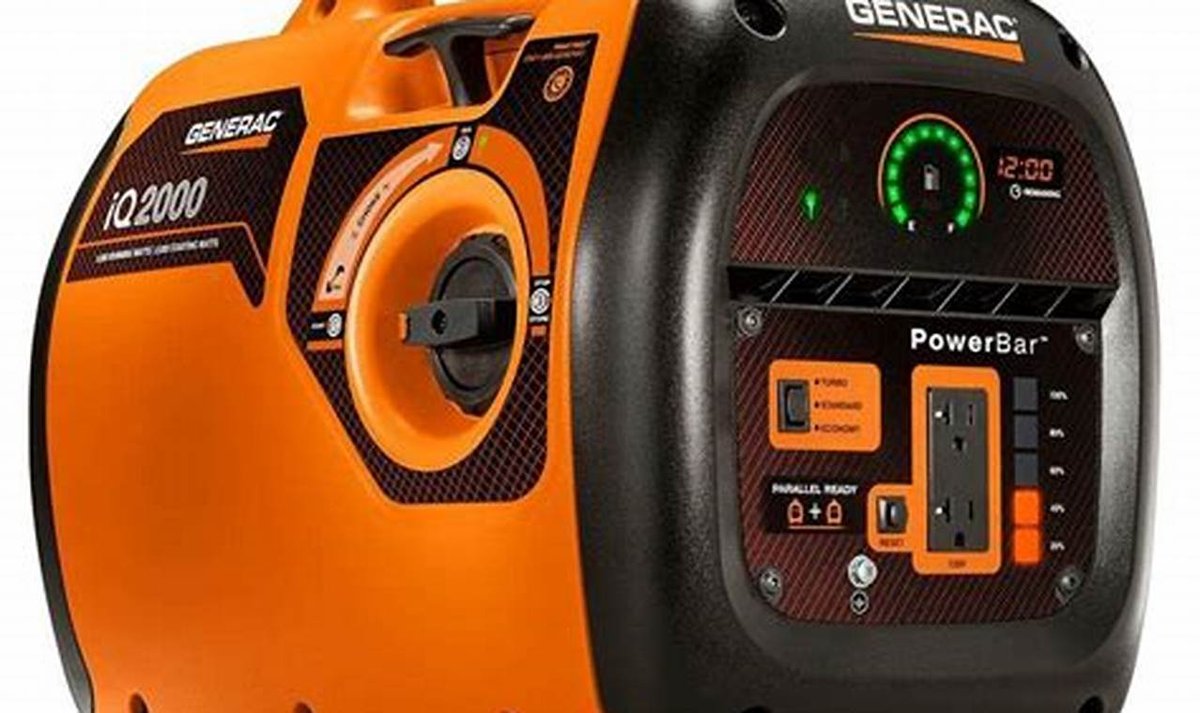
There’s nothing quite like the freedom of off-grid living, the comfort of a powered RV, or the peace of mind during a home outage. But let's be honest: the roar of a traditional generator can quickly shatter that serenity. Imagine instead the soft hum of reliable electricity, barely a whisper in the background. That's the promise of top-rated quiet portable generator brands and models, designed to keep your devices running and your tranquility intact.
As a journalist who's spent countless hours researching and testing power solutions, I can tell you that the right quiet generator isn't just a convenience; it's a game-changer. These aren't your grandpa's rumbling behemoths. We're talking about advanced machines that prioritize peaceful operation without compromising on power or efficiency.
At a Glance: Key Takeaways for Peaceful Power
- Inverter Technology is Key: Look for "inverter" generators; they're inherently quieter, more fuel-efficient, and produce cleaner power.
- Decibels Matter: Aim for models rated 60 dBA or lower. Many top contenders operate in the 50-55 dBA range, comparable to a quiet conversation.
- Match Wattage to Your Needs: From small electronics to RV air conditioners, understand your starting and running watt requirements.
- Dual-Fuel Offers Flexibility: Generators that run on both gasoline and propane provide more options and often longer runtimes.
- Safety First: Essential features include CO sensors, low-oil shutoff, and overload protection.
- Solar is Silent: For truly noiseless power, consider solar-powered generators, though they often offer less energy than fuel-based options.
The Humdrum Dilemma: Why Go Quiet?
For decades, owning a portable generator meant accepting a certain level of noise pollution. Whether you were camping, tailgating, or just trying to keep the fridge running during a blackout, the pervasive drone was part of the deal. But times have changed. Modern advancements, particularly in inverter technology, have ushered in an era where reliable power doesn't have to come at the cost of your peace.
Beyond the Noise: The Real Benefits of Quiet Generators
Choosing a quiet portable generator isn't just about avoiding a headache; it's about enhancing your entire experience. Imagine enjoying the sounds of nature, engaging in conversation around the campfire, or simply getting a good night's sleep without an intrusive thrum. For RVers, a quiet unit means being a good neighbor in crowded campgrounds, adhering to noise regulations, and preserving the serene atmosphere of natural parks. At home, it means critical appliances run during an outage without adding to an already stressful situation. This focus on user experience is why understanding how these machines work, and what makes them tick (or rather, not tick loudly), is so crucial. If you're looking for solutions that help you enjoy your outdoor adventures more, understanding the benefits of a quiet generator for camping is a great place to start.
Understanding the Decibel Dance: What "Quiet" Really Means
When we talk about generator noise, we use decibels (dBA). It's a logarithmic scale, meaning a small increase in numbers represents a significant jump in perceived loudness. For context:
- 30 dBA: A whisper
- 40 dBA: A quiet library
- 50-60 dBA: Normal conversation, a dishwasher, or many top-rated quiet generators
- 70 dBA: A vacuum cleaner
- 80 dBA: A garbage disposal
Most traditional open-frame generators can easily hit 70-80 dBA, making conversation difficult and disturbing the peace. Quiet inverter generators, on the other hand, typically operate in the 50-60 dBA range, often dropping to 52 dBA or even 48 dBA at low loads. This difference is truly transformative for user comfort and environmental impact.
The Inverter Advantage: How They Keep the Peace
The secret sauce behind quiet portable generators is primarily inverter technology. Unlike conventional generators that run their engines at a constant, high RPM (revolutions per minute) to produce a steady 60 Hz AC current, inverter generators work differently.
- AC to DC: They first produce high-frequency AC power, then convert it to DC power.
- DC to AC (Clean Power): Finally, they invert the DC power back into clean AC power, precisely regulated to a stable 60 Hz. This "clean power" is crucial for sensitive electronics like laptops, smartphones, and medical equipment.
- Variable Engine Speed: The real noise-reducer is the ability of inverter generators to adjust their engine speed based on the power demand. If you're only charging a phone, the engine idles down, sipping fuel and dramatically reducing noise. When you plug in a microwave, it revs up just enough to meet the demand. This is often referred to as "eco-mode" or "smart throttle." This intelligent operation saves fuel, extends runtime, and, most importantly, keeps things significantly quieter. For those interested in the technical advantages, exploring the full range of inverter generator benefits reveals why they've become the gold standard.
Your Power Playbook: What to Look For in a Quiet Portable Generator
Navigating the options can feel overwhelming, but focusing on a few key criteria will help you zero in on the perfect quiet generator for your needs.
Sound Levels: The Lower, The Better
This is paramount. Always check the dBA rating. As a rule of thumb, anything under 60 dBA is considered quiet, but the closer you get to 50 dBA, the more blissful your experience will be. Remember, these ratings are often taken at a certain distance (e.g., 23 feet, or 5 feet) and usually at a low load (e.g., 25%). Actual noise will increase with higher loads.
Power Output (Wattage): Matching Your Needs
Generators are rated by two wattage figures:
- Starting (Peak) Watts: The surge of power needed to start motor-driven appliances (refrigerators, AC units).
- Running (Continuous) Watts: The power needed to keep appliances operating steadily.
Always identify your highest starting watt requirement and your total running watts for all devices you plan to use simultaneously. - 1,000-1,600 watts: Ideal for camping lights, charging small devices, or a few small job site tools.
- 2,000 watts minimum: Can run a basic home backup like a refrigerator and a few lights.
- 3,000+ watts: Sufficient for an RV air conditioner, multiple home appliances, or more demanding work site tools.
Understanding your specific power needs is critical, and there are many resources that dive deeper into how to calculate and understand generator wattage.
Fuel Efficiency & Eco-Modes: Powering Smarter, Not Louder
An efficient generator not only saves you money on fuel but also extends runtime, allowing for longer use without refueling. Look for models with "economy mode," "eco-mode," or "smart throttle" features, which allow the engine to automatically adjust its speed to match the load, saving fuel and reducing noise. Runtime is typically stated as "X hours at 25% or 50% load," so pay attention to those percentages.
Portability & Size: Where Will You Go?
Quiet inverter generators are generally more compact and lighter than traditional models. Many weigh between 40-60 pounds, making them manageable for one person to carry. Larger units (up to 100+ pounds) often come with built-in wheels and telescopic handles for easier transport. Consider where you'll be storing and transporting the generator.
Safety First: Essential Protections
Don't compromise on safety. Look for generators that are EPA-compliant and include these critical features:
- CO Sensor (Carbon Monoxide): Automatically shuts off the generator if dangerous levels of CO gas are detected. This is a non-negotiable safety feature, especially if using the generator near enclosed spaces.
- Low Oil Shutoff: Protects the engine from damage by turning it off if oil levels drop too low.
- Overload Protection: Prevents damage to the generator and your appliances by automatically cutting power if the electrical load exceeds the unit's capacity.
- Fuel Shutoff: (For gasoline models) Helps prevent stale fuel issues during storage.
For comprehensive advice on using generators safely, especially around your home or campsite, always consult a reliable guide to generator safety tips.
Connectivity & Convenience: Outlets and Features
The more versatile your generator's outlets, the more useful it will be. Look for:
- Multiple 120V AC Outlets: Standard household plugs.
- USB Ports: For charging phones, tablets, and other small electronics.
- 12V DC Outlet: For charging automotive batteries or running 12V accessories.
- RV-Ready Outlets (TT-30R or L5-30R): Essential for directly plugging into most RVs.
- Parallel Connection Capability: Allows you to link two identical generators together for double the power, providing flexibility without needing one massive, heavy unit.
- Electric Start/Remote Start: For effortless startup.
Fuel Type: Gasoline, Dual-Fuel, or Solar?
- Gasoline: The most common and generally easiest to find. Tank sizes vary, impacting runtime.
- Dual-Fuel (Gasoline/Propane): Offers fantastic flexibility. Propane can be stored longer without degradation, burns cleaner, and is often preferred for extended outages if you have large tanks. You can switch between fuel types on the fly.
- Solar Generators: These are actually large portable power stations charged by solar panels or a wall outlet. They are completely silent, emission-free, and ideal for eco-conscious users or situations where noise and fumes are absolutely prohibited. Their main trade-off is typically lower continuous power output compared to fuel-powered options and reliance on sunlight for recharging. They also often don't include solar panels in the base price.
Top-Rated Quiet Portable Generator Brands & Models: Our Expert Picks
Based on extensive hands-on testing, customer feedback, and real-world performance data from trusted sources like Powerelectrichub.com and Bobvila.com, we've identified the top contenders for quiet portable power. Our evaluation focused on noise levels (measured at 10, 23, and 50 feet under varying loads), power output, fuel efficiency, portability, durability, and critical safety features.
Here are the brands and models that truly deliver peaceful power:
Versatile Powerhouses: Mid-Range Wattage & Flexible Fuel Options
These models strike an excellent balance between power, portability, and quiet operation, often featuring dual-fuel capability for ultimate versatility.
Westinghouse 2550 Peak Watt Dual Fuel Inverter Generator
- Why it stands out: An excellent all-rounder with dual-fuel capability and incredibly quiet operation. It’s an RV-ready workhorse.
- Specs: 2550 starting watts, 1900 running watts.
- Noise: As low as 52 dBA.
- Fuel Efficiency: Gasoline: 12 hours on 1.11-gallon tank (25% load). Propane: 34 hours on 20-pound tank. Features "economy mode."
- Portability: 43 pounds, compact with a built-in handle.
- Safety: CO sensor, low-oil, and overload protection.
- Outlets: RV-ready TT-30R, two 120V 20A, two USB ports.
- Good for: Residential use, camping, RV trips, light home backup.
Champion Power Equipment 2500-Watt Dual Fuel Inverter Generator
- Why it stands out: A lightweight, budget-friendly dual-fuel option that doesn't sacrifice quietness or essential features.
- Specs: 2500 starting watts, 1850 running watts (gasoline).
- Noise: 53 dBA from 23 feet.
- Fuel Efficiency: 1.1-gallon tank. Gasoline: 11.5 hours (25% load). Propane: up to 34 hours with 20-pound tank.
- Portability: 39 pounds, compact, integrated handle.
- Safety: CO Shield sensor, low-oil shutoff, overload protection.
- Outlets: 120V 20A duplex, a 12V automotive-style, and a USB adapter.
- Good for: Outdoor activities, emergencies, light home use.
PowerSmart 2500-Watt Gas Powered Portable Inverter Generator
- Why it stands out: A solid, budget-conscious choice for those needing reliable power without breaking the bank.
- Specs: 2500 starting watts, 1900 running watts.
- Noise: 56 dBA at 23 feet.
- Fuel Efficiency: 1.06-gallon tank. Up to 11 hours (25% load).
- Portability: Lightweight, foldable handle, compact.
- Safety: Built-in CO sensor.
- Outlets: Two 120V AC, one 12V DC, two USB ports.
- Good for: Camping, tailgating, emergencies (especially where budget is a primary concern).
The Quietest Contenders: Premium Silence & Reliability
For those who prioritize the absolute lowest noise levels, these models set the benchmark, often from well-established brands known for their engineering.
Honda EU2200ITAN 2200-Watt Inverter Generator
- Why it stands out: Consistently ranked among the quietest generators available, Honda’s reputation for reliability and smooth operation precedes it.
- Specs: 2200 watts.
- Noise: 48-57 dBA – one of the quietest.
- Fuel Efficiency: 1-gallon tank. Up to 8 hours runtime. Features "Smart Throttle."
- Portability: 44 pounds, compact design.
- Safety: CO-MINDER system, low-oil shutoff, overload protection.
- Outlets: 120V AC outlets and USB ports (requires adapter for built-in USB).
- Good for: RV camping, outdoor adventures, powering sensitive devices. Parallel ready.
Generac 7153 GP3300i Portable Inverter Generator
- Why it stands out: Another strong contender for quiet operation, offering a bit more power than the Honda in a still-compact design.
- Specs: 3300 starting watts, 2500 running watts.
- Noise: Around 52-55 dBA at low loads, fully enclosed design.
- Fuel Efficiency: 1-gallon tank. Up to 8 hours (50% load). Features "Economy Mode."
- Portability: Just under 60 pounds, ergonomic handle.
- Safety: COsense technology, low-oil, and overload indicators.
- Outlets: Duplex outlets, a 30A twist-lock, and two USB ports.
- Good for: Emergency backup, residential use, outdoor needs, thanks to its PowerRush technology.
Higher Power, Still Quiet: When You Need More Juice
These models deliver significantly more wattage while maintaining a respectable noise level, perfect for larger RVs or more substantial home backup needs.
WEN 3600-Watt Portable Inverter Generator
- Why it stands out: A strong performer for mid-to-high wattage needs, particularly good for RVs with its dedicated outlet.
- Specs: 3600 starting watts, 2900 running watts.
- Noise: Around 65 dBA on quarter load (slightly louder than top quiet models, but respectable for its power).
- Fuel Efficiency: 1.6-gallon tank. Roughly 5 hours at half load. Features "eco-mode."
- Portability: 46 pounds, fully enclosed structure.
- Safety: Fuel shutoff, low-oil, and overload protection.
- Outlets: Two 120V three-prong, a 12V DC, a TT-30R RV-ready, and two USB ports.
- Good for: Camping, RVs, home backup for mid-sized appliances and sensitive electronics.
Generac iQ3500
- Why it stands out: Combines substantial power with advanced controls and a good noise profile for its class.
- Specs: Implies 3500 watts.
- Noise: 56 dBA in Eco mode (5 feet), 61 dBA in normal mode (5 feet).
- Control: Push-button starter, LCD screen for power output, fuel level, projected runtime.
- Outlets: 20A duplex outlet, a 30A connection (120V L5-30R, needs adapter for TT-30P RV cords), and two USB ports.
- Portability: 109.1 pounds (heavier, may require two people or a wheel kit).
- Good for: Versatile use, good for charging phones/laptops, RVers (with an adapter).
Westinghouse 4,500-watt iGen Inverter
- Why it stands out: When you need serious power while still prioritizing quiet, this unit delivers. It's a gasoline-only beast designed for longer runtimes.
- Specs: 4,500 watts. Gasoline-only, 3.4-gallon tank.
- Noise: 52 dBA(A).
- Runtime: Up to 18 hours.
- Outlets: 30A outlet, two 20A outlets, two USB ports.
- Portability: Nearly 105 pounds without fuel (definitely needs wheels).
- Good for: Camping, RVing, remote powering, extended emergency home backup.
Niche & Notable Mentions: Specific Use Cases
Yamaha EF2200iS Inverter Generator
- Why it stands out: A reliable choice with a good balance of performance, safety, and a manageable noise level, representing a strong alternative to Honda.
- Specs: 2200 starting watts, 1800 running watts.
- Noise: Around 57 dBA at 1/4 load, up to 65 dBA at full load.
- Fuel Efficiency: 1.24-gallon fuel tank. 9 to 10.5 hours runtime. Features "smart throttle."
- Portability: Lightweight, compact frame, solid handle.
- Safety: CO sensor, overload protection, illuminated LED display.
- Outlets: Two 120V AC, a 12V DC, and an RV-ready standard outlet.
- Good for: Camping, tailgating, emergencies.
Ryobi 2,300-watt Gas Generator
- Why it stands out: A "pretty quiet" option with convenient app control for monitoring.
- Specs: 2,300 watts.
- Noise: "Pretty quiet," easy to talk over.
- Control: App for monitoring status and turning off (cannot start remotely).
- Good for: Lower-power uses, powering work lights, most power tools (though might struggle with high-draw items like a table saw or heated press).
Pulsar 2200-watt Inverter Generator
- Why it stands out: A dual-fuel option in a compact size, though reports suggest it's louder than its stated decibel rating.
- Specs: 1.18-gallon fuel tank. 1,800 running watts, 2,200 peak watts.
- Noise: Stated 60 dB, but tested louder (like a vacuum cleaner).
- Runtime: Up to 8 hours.
- Features: Dual fuel (gasoline/propane).
- Good for: Light-duty power needs, small DIY projects, couple of household appliances during an outage.
The Silent Revolution: Solar Generators
For truly zero-noise power, solar generators (often called portable power stations) are the ultimate choice. They're eco-friendly, fume-free, and require no fuel.
Generac Solar-Powered Generator
- Why it stands out: Completely silent operation, robust build, and plenty of modern connectivity.
- Specs: 3,200 peak watts, 1,600 running watts.
- Noise: Completely silent.
- Outlets: Three AC ports, four USB ports, a 12V DC port, and a wireless charging pad.
- Portability: 43 pounds, rugged, nonslip handle.
- Features: Energy efficient (expends only power used), does not include solar panels (sold separately).
- Good for: Emergency backup, remote power for tailgating and camping where silence is golden. These units are also fantastic for silent home backup solutions to keep your essential electronics running during an outage.
Beyond the Purchase: Making Your Generator Even Quieter
Even with a top-rated quiet model, there are strategies you can employ to minimize its acoustic footprint even further.
Smart Placement for Sound Dampening
- Distance is Key: Every doubling of distance from a noise source reduces the sound level by about 6 dBA. Placing your generator further away (and using longer extension cords) is the simplest way to reduce perceived noise.
- Flat, Stable Surface: Place the generator on a flat, solid surface like concrete or firm ground. Soft surfaces can restrict airflow.
- Vibration Dampening: Use a rubber mat or specialized anti-vibration pads underneath the generator to absorb vibrations before they transfer to the ground and amplify noise.
- Directional Sound: Position the exhaust muffler to point away from your main activity area or away from neighbors.
Regular Maintenance for Peak Performance
A well-maintained generator runs more efficiently and, consequently, quieter.
- Oil Changes: Follow the manufacturer's schedule. Clean oil keeps the engine running smoothly.
- Air Filter Cleaning/Replacement: A clogged air filter can make the engine work harder and run louder.
- Muffler Inspection: Check for any damage or loose parts on the muffler. A damaged muffler will significantly increase noise. Some aftermarket mufflers offer enhanced noise reduction.
DIY Solutions: Sound Barriers and Baffle Boxes
For the truly dedicated, or in situations where extreme quiet is needed, you can create physical barriers:
- Simple Three-Sided Enclosure: Construct a three-sided box (or use heavy plywood sheets) around the generator. Ensure the top is open for proper ventilation and leave 2-3 feet of space between the generator and the walls for airflow. Line the interior with acoustic foam or blankets.
- Advanced Baffle Boxes: These fully enclose the generator with acoustic insulation. Crucially, they require carefully designed intake and exhaust paths (baffles) that force air through convoluted channels lined with sound-absorbing material. This allows for necessary airflow without a direct line of sight for sound to escape. This option usually requires ventilation fans to prevent overheating and must be designed with extreme care to ensure the exhaust is safely vented away. Always ensure you have adequate clearance for the exhaust and that the enclosure doesn't trap carbon monoxide.
Navigating the Noise: Common Questions About Quiet Generators
You've got questions, we've got answers. Let's clear up some common points of confusion.
How loud is 50-60 dB, really?
It's surprisingly quiet! 50 dB is roughly the sound of a quiet refrigerator or a low hum, while 60 dB is similar to a normal conversation or a running dishwasher. Most people find generators in this range perfectly acceptable for camping, tailgating, or home backup without feeling overwhelmed by noise.
Can I make my existing, noisy generator quieter?
Yes, to some extent. You can try positioning it further away, using vibration-dampening mats, and ensuring it's well-maintained (clean air filter, fresh oil, intact muffler). You can also explore aftermarket mufflers or build DIY sound barriers, as described above. However, a conventional generator will likely never achieve the quietness of an inverter generator, which is designed from the ground up for low noise.
Are quiet generators more expensive?
Generally, yes. The advanced inverter technology, superior sound-dampening materials, and often more robust safety features found in quiet generators typically come with a higher price tag than basic open-frame models. However, the benefits in terms of fuel efficiency, clean power, and, most importantly, peace and quiet, often justify the investment for many users.
What are the rules for generator noise?
Noise regulations vary widely by location. Many campgrounds and national parks have strict decibel limits (e.g., 60 dBA or less) and specific operating hours for generators. Some residential areas also have noise ordinances. Always check local regulations and campground rules before operating any generator. Quiet inverter generators are much more likely to comply with these rules.
Your Path to Peaceful Power
Choosing the right quiet portable generator means investing in convenience, reliability, and most importantly, tranquility. Whether you're escaping to the wilderness, powering your home during an emergency, or simply enjoying an outdoor event, the ability to do so without the constant drone of a noisy engine is invaluable. By considering your power needs, prioritizing sound levels, and understanding the core features that drive quiet performance, you can confidently select a model that delivers peaceful power whenever and wherever you need it. The world is noisy enough; your power source doesn't have to be.