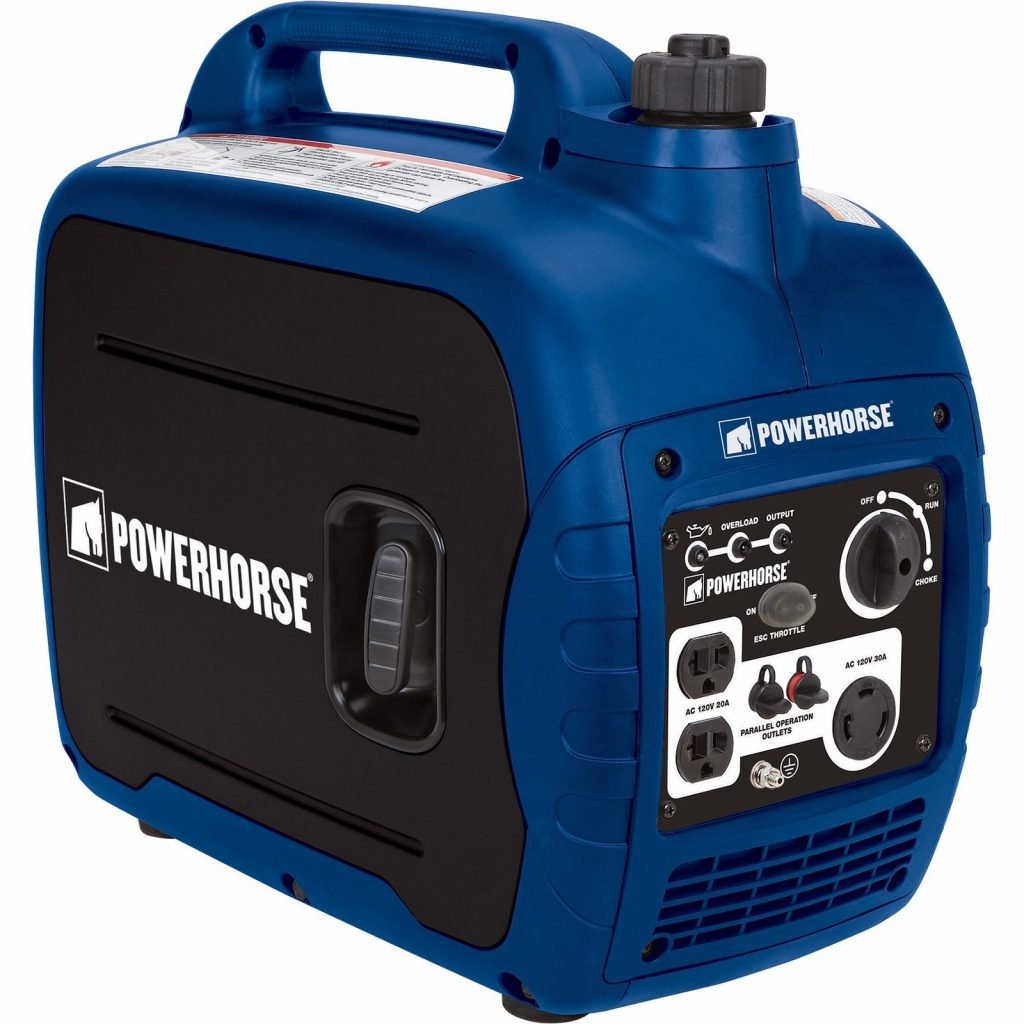
Few things disrupt the tranquility of a serene campsite or the calm of a power outage quite like the incessant drone of a noisy generator. If you've ever yearned for reliable power without the cacophony, you're not alone. The quest for choosing the right quiet portable generator has become a top priority for anyone seeking power on the go, whether for a peaceful RV trip, a backyard gathering, or essential home backup.
This isn't just about escaping noise pollution; it's about enhancing your experience, ensuring comfort, and often, complying with regulations. We're here to cut through the marketing jargon and help you find a portable power solution that truly delivers peace and performance.
At a Glance: Key Takeaways for Quiet Generators
- Noise is Measured in Decibels (dB): Look for generators rated below 60 dB; 50-55 dB is ideal, similar to a normal conversation.
- Inverter Technology is Key: Most quiet generators are inverter models, offering cleaner power and engine speed adjustment for lower noise and better fuel efficiency.
- Match Power to Needs: Assess your wattage requirements. 2,000 watts can handle small appliances; 5,000+ watts is better for home backup or multiple items.
- Consider Fuel Type: Gasoline is common, but dual-fuel (gas/propane) offers flexibility. Solar generators provide completely silent, emission-free power.
- Don't Forget Portability: Weight, wheels, and handles are crucial for ease of transport.
- Safety First: Prioritize models with CO sensors and low-oil shutdown for peace of mind.
Why Silence is Golden: The Unsung Benefits of Quiet Power
Think about it: the whole point of escaping to nature or setting up a comfortable outdoor event is to relax. A noisy generator, constantly humming in the background, can completely undermine that goal. This isn't just an aesthetic preference; it has tangible benefits:
- A More Enjoyable Experience: Imagine camping with only the sounds of nature, or hosting a tailgate party where you can actually hear conversations. A quiet generator transforms any powered activity into a more pleasant one, free from the constant buzzing.
- Greater Versatility: Many national parks, campgrounds, and even residential areas have strict noise ordinances. A quiet generator ensures you meet these regulations, allowing you to use power where conventional, loud generators simply aren't permitted.
- Protecting Sensitive Electronics: Most quiet portable generators utilize inverter technology, which produces "clean" power. This consistent, stable sine wave is crucial for safely running sensitive electronics like laptops, smartphones, and even delicate medical equipment, preventing potential damage from power spikes or fluctuations.
- Health and Well-being: Constant noise exposure can contribute to stress, fatigue, and even sleep disturbances. Opting for a quiet generator reduces this environmental stressor, promoting a more restful and less disruptive experience for you and those around you.
- Fuel Efficiency with Eco-Modes: Quiet generators often feature an "eco-mode" or "throttle control" that adjusts engine speed to match the power demand. This not only significantly reduces noise when drawing less power but also dramatically improves fuel efficiency, extending run times and saving you money.
Inside the Quiet Machine: How We Uncover the Best
As seasoned journalists and product testers, we don't just take manufacturer claims at face value. Identifying truly quiet portable generators involves a rigorous process, combining hands-on testing with real-world feedback and extensive research. Our methodology ensures that when we talk about a generator being "quiet," we mean it.
Here’s a glimpse into how we evaluate these machines:
- Noise Level Measurement: This is paramount. We use professional decibel meters to take readings at various distances—typically 10 feet, the industry-standard 23 feet, and even 50 feet. Crucially, we test under different load conditions: idle, half-load, and full-load. Noise levels aren't static; they change significantly with demand.
- Power Consistency and Efficiency: We push these generators, not just to see if they start sensitive electronics, but if they consistently run them without hiccups. We also meticulously track fuel consumption, especially when eco-modes are engaged, to verify efficiency claims.
- Durability and Build Quality: A good generator should feel solid. We assess construction materials, check for excessive vibration (a common noise source), and evaluate portability features like wheels and handles. We run them on different surfaces��concrete, grass, rubber mats—to see how they hold up and perform.
- Safety First, Always: Modern generators should be safe. We test critical safety features such as carbon monoxide (CO) sensors (which automatically shut off the unit if dangerous CO levels are detected), low-oil shutdown, and overload alarms.
- Real-World Simulations: The lab is one thing; actual use is another. We deploy generators in various scenarios: multi-day camping trips, outdoor events, and simulated home power outages. This provides invaluable insight into their practical performance, user-friendability, and, of course, their real-world noise footprint.
- Customer Insights and Community Buzz: Beyond our own tests, we dive deep into customer reviews on platforms like Amazon and Home Depot, and scour forums like Reddit and specialized generator communities. This helps us identify long-term reliability trends, common issues, and features that users truly value (or dislike).
The Critical Factors: What to Look for in a Quiet Portable Generator
Ready to pick one out? Here’s a breakdown of the essential features and specifications you should prioritize when making your choice.
1. Noise Rating: How Quiet is Really Quiet?
This is the big one. Generator noise is measured in decibels (dB), and smaller numbers are better.
- Below 60 dB: This is your target range. Many quiet inverter generators advertise ratings around 50-60 dB.
- 50-55 dB: This is often compared to a normal conversation, making it ideal for most sensitive environments. Below 50 dB is exceptionally quiet.
- Measurement Matters: Remember that noise ratings are typically measured at 23 feet (about 7 meters). Noise levels will be higher closer to the unit and can increase significantly under full load compared to idle.
2. Power Output (Wattage): Fueling Your Needs
Before you buy, make a list of everything you plan to power simultaneously. Each item has a "starting wattage" (higher, needed for a brief moment to kick on) and "running wattage" (lower, for continuous operation). Add up the running watts of everything you'll use regularly, then factor in the highest starting wattage of any single item.
- 2,000 Watts: Great for light-duty tasks like charging phones, running a few lights, a fan, or a small refrigerator while camping.
- 3,000-4,000 Watts: A good middle ground for RVs, larger camping setups, or powering several home essentials like a refrigerator, some lights, and a TV during an outage.
- 5,000+ Watts: Suitable for more extensive home backup, running larger appliances (like an oven or well pump), or powering tools on a job site. For comprehensive home backup, 2,000W might power an oven or large fridge, but 3,000W+ is needed for multiple items.
3. Portability and Size: Power on the Move
A "portable" generator should actually be portable.
- Weight: Consider if you'll be lifting it solo or with help. Lighter units (under 60 lbs) are easier to manage.
- Design: Compact dimensions are a plus. Look for sturdy handles and, for heavier units, built-in wheels for easy transport.
4. Fuel Efficiency and Eco-Modes: Go Further, Quieter
Most quiet portable generators are inverter generators. This technology allows the engine speed to adjust based on the power demand.
- Eco-Mode (or Smart Throttle): A must-have feature. When you're only drawing a small amount of power, the engine idles down, dramatically reducing noise and fuel consumption. This extends run times significantly.
- Tank Capacity: Larger tanks generally mean longer run times, but also more weight when full. Balance tank size with your typical use case.
5. Starting Mechanisms: Convenience at Your Fingertips
- Recoil Start: The classic pull-cord. Reliable but can be tiring.
- Electric Start: A simple push-button start, often requiring a small battery (which may need occasional charging). A huge convenience, especially in cold weather.
- Remote Start: The ultimate in convenience, allowing you to start or stop the generator from a distance.
6. Environmental Compliance and Safety Sensors
- EPA & CARB Compliance: Ensure the generator meets environmental standards, especially if you're in California or other states with strict regulations.
- Carbon Monoxide (CO) Sensor: Absolutely essential. This safety feature detects dangerous levels of CO gas and automatically shuts down the generator, preventing potentially fatal accidents.
- Low-Oil Shutdown: Protects your engine by automatically turning off the generator if oil levels drop too low, preventing costly damage.
- Overload Protection: Shuts off the unit if it’s trying to draw too much power, protecting both the generator and your connected appliances.
7. Parallel Compatibility: When One Isn't Enough
Sometimes, your power needs might grow, but you don't want to buy a single, much larger, and louder generator.
- Parallel Kits: Many inverter generators can be linked together (using a brand-specific parallel kit) to combine their power output. This is a fantastic feature for flexibility, allowing you to scale up power when needed and run just one smaller, quieter unit for lighter loads.
8. Outlet Variety: Connect Everything You Need
Check the types and number of outlets.
- Standard 120V AC Outlets: For most household items.
- USB Ports: Handy for charging phones and tablets directly.
- 12V DC Outlet: For charging car batteries or running specific DC appliances.
- RV-Ready Outlets (e.g., 30A Twist-Lock): Crucial for directly connecting to an RV's power inlet.
Matching a Generator to Your Needs: Real-World Scenarios
Your ideal quiet portable generator depends heavily on how you plan to use it.
Camping and RVs: Uninterrupted Serenity
This is where quiet generators truly shine. Imagine waking up to birdsong, not engine rumble.
- Needs: Relatively low to moderate wattage (2,000-4,000W), long run times, eco-mode, and compact size. RV-ready outlets are a big plus.
- Why Quiet Matters: Essential for maintaining peace in nature, respecting fellow campers, and complying with campground noise limits (often around 60 dB).
Home Backup: Essential Power, Minimal Disruption
When the lights go out, a quiet generator can power critical appliances without adding to the stress of an outage.
- Needs: Moderate to high wattage (3,000-5,000+W) to run refrigerators, freezers, lights, and perhaps a furnace fan. Electric or remote start is a huge convenience.
- Why Quiet Matters: Prevents adding auditory stress to an already inconvenient situation. You can still hold conversations, listen to news, or simply enjoy a calmer environment indoors.
Outdoor Events and Job Sites: Productive and Polite
From tailgating parties to remote construction sites, power is often needed without disturbing others nearby.
- Needs: Variable wattage depending on the tools or entertainment systems. Durability, reliability, and easy starting are key.
- Why Quiet Matters: Allows conversations to flow at events and prevents distractions or complaints on a job site. It shows consideration for neighbors or other event-goers.
Beyond the Box: Boosting Quietness and Longevity
Even the quietest generator can benefit from good practices and simple enhancements.
Maintenance for a Quieter Life
Regular maintenance isn't just about extending your generator's lifespan; it also helps keep it running smoothly and quietly.
- Regular Oil Changes: Fresh oil lubricates components better, reducing friction and potential rattling. Follow manufacturer recommendations.
- Clean Air Filter: A clogged air filter forces the engine to work harder, increasing noise and reducing efficiency. Clean or replace it regularly.
- Check Spark Plugs: A clean, properly gapped spark plug ensures efficient combustion, leading to smoother, quieter operation.
- Inspect Muffler: A damaged or corroded muffler can significantly increase noise. Replace or upgrade it if needed.
DIY Noise Reduction & Smart Accessories
Sometimes, a little ingenuity can go a long way in making your generator even quieter.
- Anti-Vibration Mats or Pads: Placing your generator on a rubber mat or anti-vibration pad (like those used for washing machines) can absorb ground vibrations, which contribute to perceived noise.
- Sound Barriers: Constructing a simple three-sided plywood enclosure (open at the top for ventilation) can help direct and dampen sound. Line the inside with acoustic foam or old blankets. Crucially, always leave at least 2-3 feet of space around the generator for proper airflow and cooling, especially at the exhaust. Never fully enclose a running generator.
- Baffle Boxes (Advanced DIY): For the truly dedicated, a baffled box uses internal chambers and acoustic insulation to force sound waves through a labyrinth, trapping them while still allowing airflow. This is a more complex project requiring careful consideration of ventilation, heat dissipation, and exhaust routing.
Fueling Your Choice: Different Power Sources
Quiet portable generators come with a variety of fuel options, each with its own advantages.
- Gasoline: The most common fuel type for inverter generators. Gasoline offers good energy density and is readily available. Tank capacities typically range from 2 gallons for small units to over 10 gallons for larger ones.
- Dual-Fuel (Gasoline & Propane): These generators offer excellent flexibility. You can switch between gasoline and propane, which is stored in pressurized cylinders. Propane burns cleaner, has a longer shelf life, and can be safer to store for long periods, though it's often slightly less fuel-efficient than gasoline.
- Solar Generators (Portable Power Stations): These are essentially large battery banks that can be charged via solar panels (sold separately) or a standard wall outlet. They are completely silent in operation (except for potential faint fan noise during AC charging or high loads), produce zero emissions, and require no fuel. Their power output is limited by battery capacity and inverter size, but they are ideal for truly silent, eco-friendly power for smaller needs or as emergency backup. They only discharge as much power as is being used, making them highly efficient.
When considering a quiet portable generator, evaluating these fuel types is a crucial step in finding the perfect fit for your lifestyle and needs.
Our Top Picks: A Closer Look at Recommended Quiet Generators
Based on our testing methodology and extensive evaluation, these quiet portable generators consistently stand out for their performance, features, and, most importantly, their ability to deliver peaceful power.
1. Honda 2200-Watt Inverter Generator With CO-Minder (EU2200i)
- The Gold Standard: When it comes to quiet reliability and ease of use, the Honda EU2200i often sets the benchmark. Its noise level is so low that the engine hum virtually disappears into the background of ambient sounds.
- Key Specs: Powered by Honda’s GXR120 engine, it delivers 2,200 peak watts and 1,800 running watts at 120V, with a duplex 125V-20A outlet.
- Our Tests: This generator flawlessly powered a full-size refrigerator for 4 hours on half a tank of gas. On a job site, it ran a portable table saw and a miter saw all day, providing clean, consistent current without complaint.
- Standout Features: It weighs around 50 pounds with sturdy, molded plastic handles, striking a great balance between power and portability. The built-in CO sensor and auto-shutoff add critical safety. It’s also compatible with the Honda My Generator app for monitoring and is parallel-ready (kit sold separately).
- Considerations: Lacks built-in USB ports.
2. Pulsar 2200-Watt Dual-Fuel Quiet Inverter Generator
- Budget-Friendly Versatility: If you're looking for a solid option for light-duty power with the flexibility of dual-fuel, Pulsar offers good value.
- Key Specs: Provides 1,800 running watts and 2,200 peak watts. Its 1.18-gallon fuel tank offers up to 8 hours of run time.
- Fuel Flexibility: Operates on both gasoline and propane, which is a major convenience for various situations.
- Our Take on Noise: While advertised around 60 dB, our tests found it to be a bit louder in real-world use, closer to the noise level of a running vacuum cleaner. Still, for its price point and dual-fuel capability, it's a strong contender.
- Ideal For: Small DIY projects or powering a few essential household appliances during a brief outage.
3. Westinghouse iGen4500 Quiet Inverter Generator
- Powerhouse for Camping & RVs: This model is designed for those who need higher wattage without sacrificing quiet operation.
- Key Specs: A robust 4,500 peak watts (gasoline only) with a substantial 3.4-gallon tank, delivering an impressive run time of up to 18 hours.
- Whisper-Quiet: Rated at a remarkable 52 dB(A), it's notably quieter than a normal conversation. This makes it a fantastic choice for RV parks and campgrounds where noise is a concern.
- Connectivity: Features a 30A outlet, two 20A outlets, and two USB ports, making it highly versatile for various devices.
- Our Tests: It comfortably powered a grinder and a saw on a remote site and simultaneously handled basic travel trailer needs while charging multiple digital devices.
- Portability: Weighing around 105 pounds without fuel, it's a heavier unit, making it challenging for one person to lift, but its wheels help with ground transport.
- Ideal For: Serious camping, RV adventures, and emergency home backup where higher power is needed. When considering higher-wattage units, the balance between power and portability becomes particularly important.
4. Generac GB2000 Portable Power Station (Solar Generator)
- Truly Silent, Eco-Friendly Power: If zero noise and zero emissions are your top priorities, this solar generator is an outstanding choice.
- Key Specs: Offers 3,200 peak watts and 1,600 running watts.
- Complete Silence: As a battery-powered unit, it generates virtually no operational noise, making it perfect for indoor use (with proper ventilation for AC charging) or situations demanding absolute quiet.
- Connectivity: Equipped with three AC ports, four USB ports, a 12V DC port, and even a wireless charging pad.
- Charging Options: Can be charged via optional solar panels or a standard electrical outlet. It efficiently outputs only the power being drawn.
- Portability: At 43 pounds, it’s quite portable, aided by sturdy anti-slip handles.
- Ideal For: Emergency home backup, remote power for tailgating or camping, and any scenario where silence and environmental responsibility are paramount.
5. Ryobi 2300-Watt Bluetooth Inverter Generator
- Smart Power with Connectivity: This generator offers modern convenience with its integrated Bluetooth features.
- Key Specs: A 2,300-watt gasoline-powered unit.
- Bluetooth Integration: The mobile app mirrors the LED panel readings and allows you to shut down the generator remotely (though not start it).
- Our Take on Noise: It's impressively quiet, allowing for easy conversation nearby without shouting.
- Our Tests: Handled work lights and a variety of power tools like circular saws, reciprocating saws, and hammer drills with ease. We noted a slight lag with a table saw and found it lacked the oomph for a heated T-shirt press, suggesting it’s best for lower-demand applications.
- Ideal For: Light power needs on job sites, home DIY, or camping where remote monitoring and control add value. For specific projects, understanding which tools a generator can comfortably run is key.
6. Generac iQ3500 Portable Inverter Generator
- User-Friendly Powerhouse: Generac's iQ3500 excels in blending quiet operation with exceptional user experience.
- Key Specs: Features an intuitive push-button start and a clear LCD screen displaying power output, fuel level, and estimated run time.
- Starting Experience: While the first start often requires a pull-cord (if the battery is low), subsequent starts are effortless with the push-button.
- Noise Levels: Measured at 56 dB(A) in eco mode at 5 feet and 61 dB(A) in normal mode, it's very easy to hold a conversation around it.
- Connectivity: Includes duplex 20A outlets, a 30A connection (120V L5-30R, may need an adapter for RV TT-30P), and two USB ports.
- Portability: Weighing 109.1 pounds, it's on the heavier side but still manageable with its design.
- Ideal For: Users who prioritize quiet operation, strong performance, and a highly user-friendly interface for a variety of tasks, from home backup to RVing.
Making Your Final Decision: A Quick Checklist
Before you commit, run through this mental checklist:
- What's Your Primary Use? Camping, home backup, job site? This determines wattage and features.
- What's Your Noise Tolerance? Look at dB ratings, but also consider real-world reviews.
- How Much Power Do You Really Need? Calculate starting and running watts for all essential items.
- How Often Will You Move It? Does it need wheels? Can you lift it?
- What Fuel Type is Best for You? Gas, dual-fuel, or silent solar?
- Are Safety Features Included? CO sensors and low-oil shutdown are non-negotiable.
The Power of Peace: Your Next Steps
Choosing the right quiet portable generator isn't just a purchase; it's an investment in comfort, convenience, and peace of mind. By focusing on critical features like low noise ratings, appropriate power output, and essential safety measures, you can avoid the common pitfalls of noisy, unreliable power.
Whether you're exploring the great outdoors, ensuring your home stays powered during an outage, or running tools without disruption, a truly quiet portable generator will significantly enhance your experience. Take the time to assess your unique needs, review the top contenders, and embark on your journey to peaceful, portable power. Explore more detailed reviews and comparisons to solidify your choice.